
Signs Your Plumbing Needs Professional Attention Now
Recognize the signs your plumbing needs professional attention before leaks cause major damage—call Perfect Climate today.
Perfect Climate Heating, Air & Plumbing

Why Recognizing the Signs Your Plumbing Needs Professional Attention Can Save You Thousands
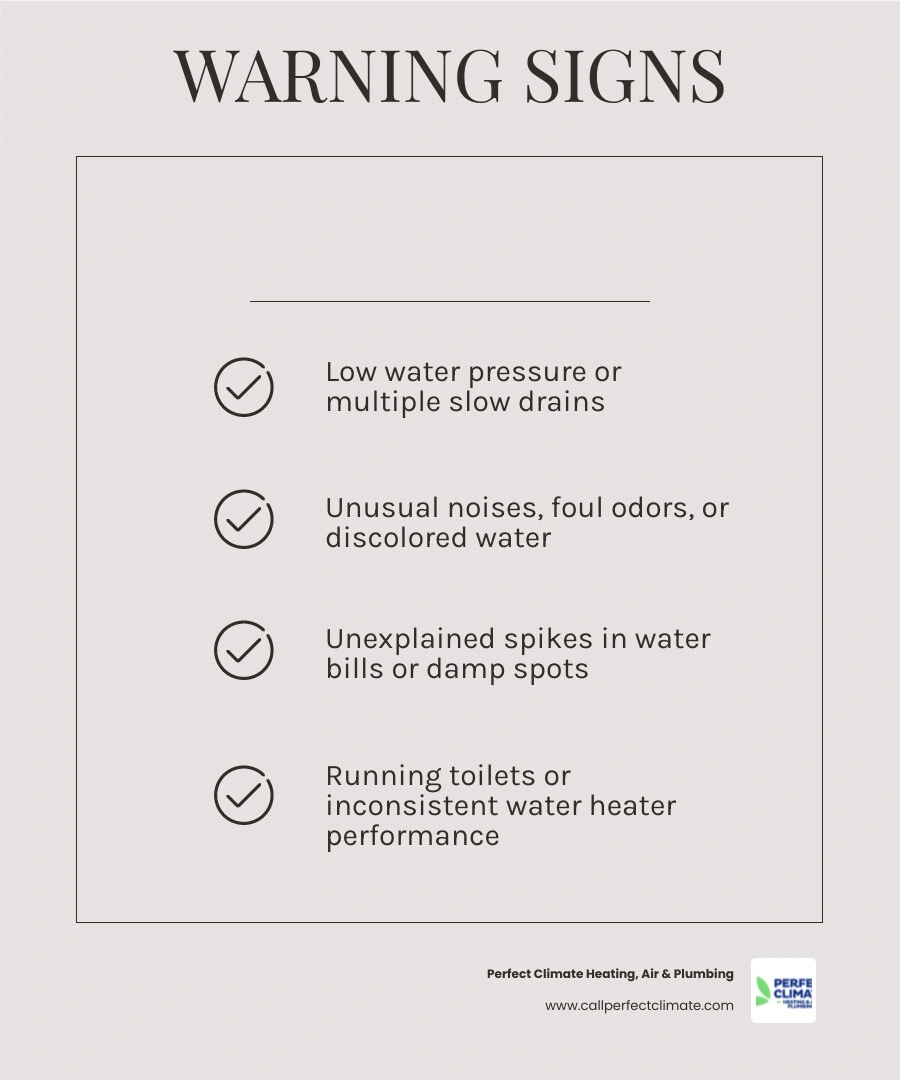
The signs your plumbing needs professional attention are often easy to miss — until a small drip becomes a flooded bathroom or a slow drain signals a failing sewer line. Here's a quick look at the most common warning signs homeowners in Indiana and Illinois should never ignore:
- Low water pressure throughout the house
- Slow or recurring drain clogs in multiple fixtures
- Unusual noises — banging, gurgling, or rattling pipes
- Foul odors from drains or near fixtures
- Unexplained spikes in your water bill
- Water stains, damp spots, or soft walls and ceilings
- Discolored water from taps
- Running toilets that won't stop
- Water heater issues — rusty water, popping sounds, or inconsistent heat
- Wet patches in your yard with no recent rainfall
Most plumbing problems don't start as emergencies. They start as subtle inconveniences — an occasional drip, a faint musty smell, or a drain that's just a little slower than usual. The trouble is, those small signals rarely stay small. A minor leak left unchecked for a few weeks can lead to mold growth, structural damage, and repair bills that dwarf what an early fix would have cost.
The EPA estimates that the average household with fixable leaks wastes nearly 10,000 gallons of water per year. A single faucet dripping once per second accounts for more than 3,000 gallons of that waste annually. For homeowners in the Evansville, Haubstadt, and surrounding Indiana and Illinois communities, catching these warning signs early isn't just about avoiding costly repairs — it's also about protecting your home, your family's health, and your water bill.
Related content about signs your plumbing needs professional attention:
Clear Signs Your Plumbing Needs Professional Attention
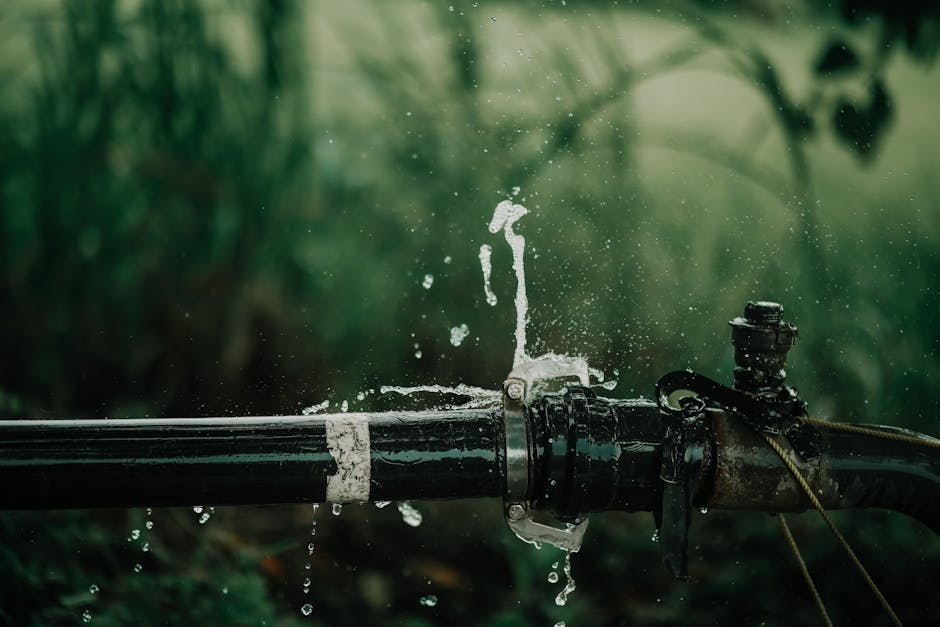
When things are working correctly, your plumbing system operates quietly and efficiently in the background of your daily life. The average family of four uses roughly 400 gallons of water per day, and we expect that water to arrive clean, leave quickly, and stay entirely inside the pipes. When that routine breaks down, your home is sending you a distress signal.
Here are the primary signs your plumbing needs professional attention:
- Sudden or Inconsistent Low Water Pressure: If taking a shower feels more like being gently sneezed on than getting clean, you have a water pressure issue. While a single clogged faucet aerator is an easy DIY clean, low water pressure across multiple fixtures or throughout your entire home signals a systemic problem. This can be caused by hidden leaks in your main supply line, severe mineral scale buildup in aging galvanized pipes, or municipal supply issues.
- Slow Drains That Keep Coming Back: We have all dealt with a sluggish bathroom sink or a shower that leaves us standing in ankle-deep water. However, when a drain remains slow despite clearing it, or when multiple drains across your home are backing up simultaneously, the issue is not just hair or soap scum. It is likely a blockage deep within your main sewer line.
- Unusual Pipe Sounds: Your plumbing should not try to serenade you with bangs, gurgles, or squeals. Gurgling noises from your toilets or drains after you run water indicate that your venting system is blocked or that air is struggling to escape a clogged drain line. Banging or rattling noises, often called "water hammer," happen when high-pressure water suddenly stops or changes direction, shaking loose pipes against your wall framing.
- Foul Odors Rising From Your Drains: If your kitchen or bathroom smells more like a sewer than a sanctuary, you have a problem. Persistent sewer smells usually mean that waste is not moving properly through your system, a drain vent stack is blocked, or a P-trap has dried out or cracked. Sewer gas is not just unpleasant to smell; it also carries methane and other health hazards into your living space.
- Water Discoloration: When you turn on your tap, the water should be crystal clear. If it looks rusty, brown, or cloudy, you are dealing with pipe corrosion or water heater sediment. Rusty water is a clear indicator that your steel or iron pipes are deteriorating from the inside out, which will eventually lead to pinhole leaks.
- Running Toilets That Won't Stop: A running toilet is more than a mild background hum; it is a major water-waster. A running toilet can waste up to 200 gallons of water per day. This is usually caused by a worn flapper or a faulty fill valve, but if a simple replacement does not solve it, a professional diagnostic is needed to check for pressure imbalances.
- Water Heater Warnings: If you are running out of hot water quickly, seeing rusty water from the hot tap, or hearing popping, rumbling, or knocking noises from your water heater tank, sediment has likely settled at the bottom. This sediment acts as a barrier between the burner and the water, overheating the tank metal and causing it to deteriorate.
If you are experiencing any of these issues in the Evansville area, it is time to call a Reliable Plumber Evansville to diagnose the root cause before a minor inconvenience turns into a major plumbing emergency.
Subtle Signs Your Plumbing Needs Professional Attention Before a Disaster
Not all plumbing failures announce themselves with a dramatic burst pipe or a flooded basement. Some of the most destructive plumbing issues develop quietly behind drywall, under subfloors, or deep beneath your yard.
- Unexplained Spikes in Your Water Bill: If your household water usage habits have not changed but your monthly water bill has spiked by 20% or more, you likely have a hidden leak. You can perform a simple DIY check using your water meter. Turn off every faucet, appliance, and irrigation system in your home. Go outside and look at your water meter. If the dial or digital reading is still moving, water is escaping somewhere in your system.
- The Food Coloring Dye Test: If you suspect a silent toilet leak is driving up your bill, try this simple test. Put a few drops of food coloring into your toilet tank and wait 15 minutes without flushing. If the color seeps into the toilet bowl, your flapper valve is leaking and needs to be replaced.
- Discolored Pipes and Rusted Joints: It is a good practice to walk through your basement, crawlspace, or utility closet once a month with a flashlight. Look closely at any exposed pipes. If you notice green corrosion (on copper pipes) or rust and white mineral crust (on galvanized iron pipes), those are signs of slow, active leaks. These joints are structurally compromised and can fail completely at any moment.
To catch these hidden issues before they cause structural damage, refer to our comprehensive Plumbing Inspection Guide Evansville, IN to learn what to look for during a home walkthrough.
Why Ignoring Signs Your Plumbing Needs Professional Attention Leads to Major Damage
It is tempting to put off plumbing repairs, especially when a fixture is "still usable" or the leak is small. However, plumbing problems do not plateau; they escalate.
- Rapid Mold and Mildew Growth: Mold can begin growing within 24 to 48 hours of sustained dampness. A slow leak inside a wall cavity provides the perfect dark, humid environment for mold spores to thrive, posing serious respiratory health risks to your family and requiring expensive professional remediation.
- Severe Structural Damage: Wood rot occurs when framing members, subfloors, and drywall are exposed to water over time. A slow leak behind a shower wall can quietly rot out the floor joists underneath, eventually causing the floor to sag or collapse.
- Sewer Backups and Health Hazards: A slow drain that is ignored will eventually become a complete blockage. When a main sewer line backs up, raw sewage has nowhere to go but up through your lowest drains — usually your basement floor drains, showers, or toilets. This creates a severe health hazard and requires professional biohazard cleanup.
- Pipe Corrosion and Water Hammer Damage: Ignoring water hammer (banging pipes) places continuous physical stress on your pipe joints. Over time, this constant rattling weakens the connections until a joint fails completely, leading to a sudden burst pipe.
If you do find yourself dealing with an active water emergency, you will need immediate help with Burst Pipe Repair to minimize water damage and restore your home's water supply.
How to Distinguish Between DIY Fixes and Professional Plumbing Needs
Every homeowner wants to save money by handling minor repairs themselves, but knowing your limits is key to preventing a small problem from turning into a major disaster.
- Localized Clogs vs. Systemic Blockages: If a single sink is draining slowly, using a hand plunger or cleaning out the P-trap directly underneath the sink is a perfectly reasonable DIY task. However, if multiple fixtures are backing up at once — or if water backs up into your bathtub when you flush your toilet — you are dealing with a main sewer line blockage. This requires specialized professional equipment like sewer cameras and motorized drain snakes.
- The Danger of Chemical Drain Cleaners: When faced with a stubborn clog, many homeowners reach for liquid chemical drain cleaners. Professional plumbers strongly advise against this. These chemicals are highly corrosive and generate intense heat inside your pipes. If you have older metal pipes or PVC lines, chemical cleaners can eat through the pipe walls or soften plastic joints, creating hidden leaks deep behind your walls. They also rarely clear the entire blockage, meaning the clog will return quickly.
| Plumbing Issue | DIY-Friendly Fix | Requires a Professional Plumber |
|---|---|---|
| Dripping Faucet | Replacing a worn-out washer or aerator on a single tap. | Addressing leaks behind walls or repairing complex shower valves. |
| Slow Drain | Using a hand plunger or manually cleaning out a sink P-trap. | Clearing multiple slow drains or resolving a main sewer line blockage. |
| Toilet Issues | Replacing a worn tank flapper or the fill valve mechanism. | Resolving frequent clogs, clearing backups, or replacing a failed wax ring. |
| Water Pressure | Cleaning mineral deposits out of a single showerhead. | Fixing a sudden drop in pressure throughout the entire house. |
| Water Heater | Flushing sediment out of a relatively new tank. | Replacing a heating element, fixing gas connections, or replacing the tank. |
Immediate Steps to Take During a Plumbing Emergency
When a major plumbing emergency occurs, your quick action in the first five minutes can mean the difference between minor cleanup and major structural restoration.
- Shut Off the Main Water Valve Immediately: Every adult in your home should know exactly where the main water shutoff valve is located and how to operate it. It is typically found in the basement, crawlspace, or near your water meter close to the street. Turn the valve clockwise to stop all water from entering your home.
- Turn Off Your Water Heater: If you must shut off your main water supply, turn off your water heater as well. For electric heaters, switch off the dedicated breaker in your electrical panel. For gas heaters, turn the control valve to the "pilot" or "off" setting. Running a water heater without a steady supply of water can burn out heating elements or overheat the tank.
- Address Active Leaks and Open Faucets: Once the main water is shut off, open the lowest faucets in your home (such as a basement utility sink) and your highest faucets. This drains the remaining water out of your pipes and into the drains, relieving pressure and stopping the active leak faster.
- Handle Sewer Smells Safely: If you smell strong sewer gases, ventilate the area immediately by opening windows and doors. Avoid using open flames or creating sparks, as sewer gas contains flammable methane.
- Manage Frozen Pipes Carefully: If you suspect a pipe is frozen, do not use an open flame (like a blowtorch) to thaw it, as this is a major fire hazard and can cause the pipe to burst. Instead, use a hair dryer on a low setting or wrap the pipe in towels soaked in hot water, keeping the nearest faucet open so water can flow as the ice melts.
For immediate, round-the-clock assistance with any sudden plumbing failure, consult our 24/7 Plumbing Repair Guide Haubstadt, IN to get professional help on the way.
Frequently Asked Questions About Home Plumbing Issues
Why does my toilet gurgle when I run the washing machine?
This is a classic symptom of cross-fixture gurgling, which points to a venting system problem or a partial blockage in your main sewer line. Your plumbing system relies on a network of vent pipes that exit through your roof to let air in so water can drain smoothly.
When your washing machine discharges a large volume of water quickly, it pushes air through the drain lines. If the vent stack is blocked by debris (like a bird's nest or leaves) or if the main sewer line is partially clogged, that air has nowhere to go but up through your toilet trap, causing the gurgling sound.
What causes a sudden drop in water pressure throughout the house?
A sudden, whole-house drop in water pressure is usually caused by one of three things: a major hidden leak in your main water line, a failing pressure-reducing valve (PRV), or municipal water supply issues.
If you have verified that your neighbors are not experiencing the same issue, check your water meter to see if you have an active leak. If you need assistance diagnosing the cause, it is best to contact a Licensed Plumbing Contractor in Evansville, IN to inspect your main water line and PRV.
How can I detect a hidden leak in my plumbing system?
The most reliable way to detect a hidden leak is by performing a water meter test. Turn off all water fixtures, appliances, and ice makers in your home, and check your outdoor water meter. Note the reading, wait two hours without using any water, and check it again. If the reading has changed, you have a leak.
Other common indicators of hidden leaks include soft spots on your floors, damp drywall, bubbling paint on walls, musty odors in closed spaces, and unexplained water bill spikes.
Conclusion
Your home’s plumbing system is an intricate network designed to keep your household running smoothly. While minor issues like a loose toilet handle or a slightly slow single drain can occasionally be addressed with quick DIY fixes, the major signs your plumbing needs professional attention should never be ignored.
At Perfect Climate Heating, Air & Plumbing, we believe that the best way to handle a plumbing emergency is to prevent it from happening in the first place. Regular, annual plumbing inspections and proactive maintenance are key to extending the life of your home's pipes, protecting your water quality, and giving you peace of mind.
If you have noticed any of these warning signs in your home, do not wait for a small leak to become an expensive restoration project. Schedule your professional plumbing service with Perfect Climate Heating, Air & Plumbing today and let our experienced, licensed team keep your home comfortable, safe, and dry.
Need Help?
Contact us today to discuss your needs. Our team is ready to help.
About the Author
Perfect Climate Heating, Air & Plumbing
Recent Posts
- Navigating Evansville's Fall Leaves and Your Outdoor Heat Pump Unit
- HVAC Options Comparisons for Homeowners: Navigating Fall System Failures
- Why Does My Furnace Smell Like Burning? The 15-Minute Rule for Homeowners
- October HVAC Maintenance: Identifying Freon Leaks vs. Furnace Startup Smells
- Heating Options Comparisons for Homeowners: Heat Pumps vs. Gas Furnaces Before Indiana's Winter Hits
Related Articles

Navigating Evansville's Fall Leaves and Your Outdoor Heat Pump Unit
That suffocating mat of wet autumn foliage packed against your condenser coil is a hidden hazard. Find out exactly where to draw the line between safe yard clearing and calling a pro.
Read Article
HVAC Options Comparisons for Homeowners: Navigating Fall System Failures
Read Article
Why Does My Furnace Smell Like Burning? The 15-Minute Rule for Homeowners
Read Article
October HVAC Maintenance: Identifying Freon Leaks vs. Furnace Startup Smells
Read Article
Heating Options Comparisons for Homeowners: Heat Pumps vs. Gas Furnaces Before Indiana's Winter Hits
Read Article
Indiana Fall HVAC Checklist: Handling Furnace Startup Smells and Late-Season AC Repair
Read ArticleReady to Get Started?
Whether you need a repair, maintenance, or a new installation, our expert team is here to help.